
Ledger.com/Start® | Getting started®™ — Ledger Support
Get your Ledger device ready at Ledger.com/start with setup instructions and practical information for managing accounts, balances, holdings, and transactions.
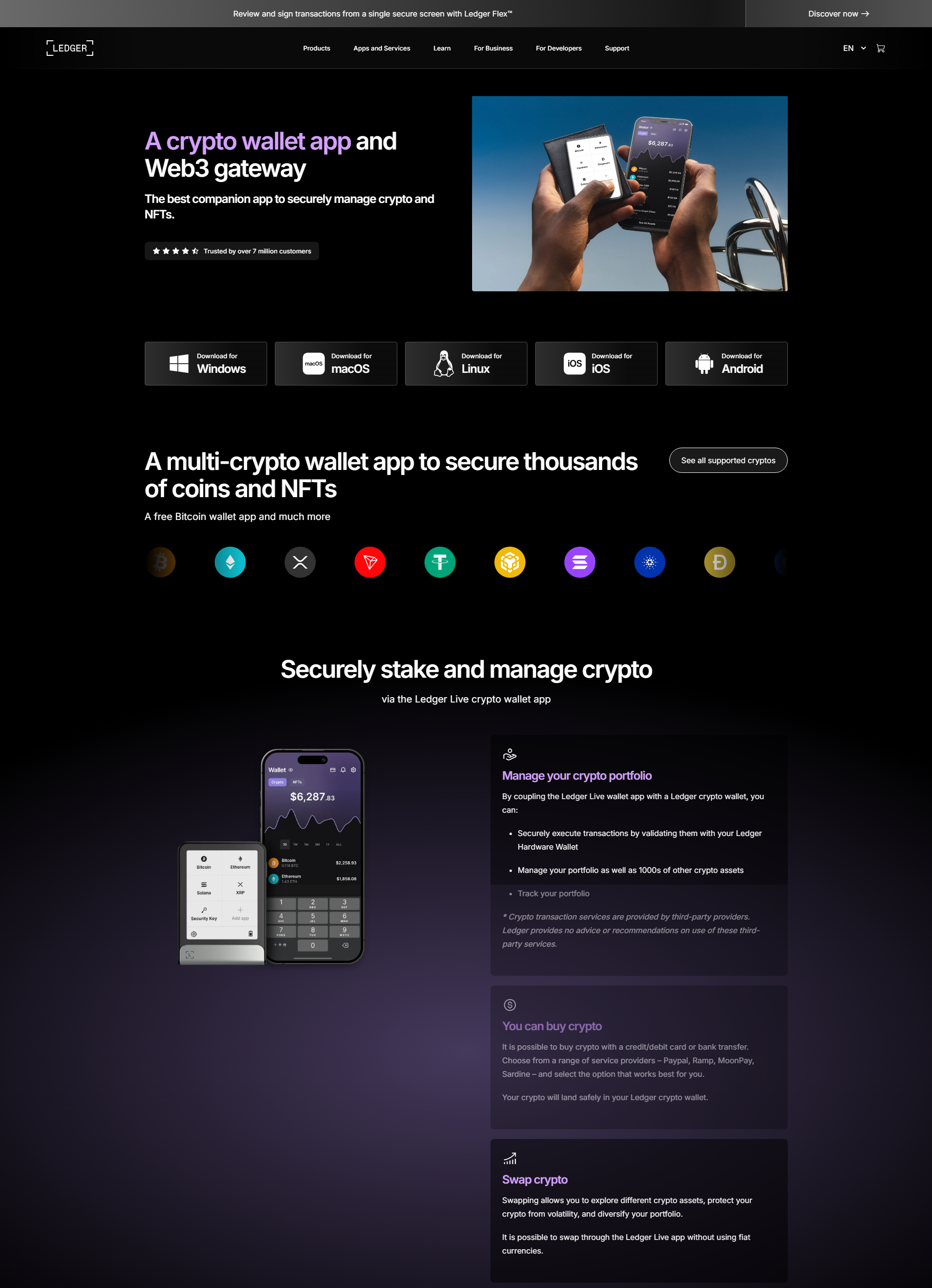
Ledger.com/start: Make Your First Wallet Experience Simpler
A first hardware-wallet setup can feel unfamiliar because several pieces work together: the physical device, wallet software, accounts, recovery information, and transaction approvals. Ledger.com/start can give new users a place to begin while they learn how these components fit into a practical crypto workflow.
The following approach focuses on making each stage easier to understand.
Know What You Are Setting Up
Before starting, understand that your hardware wallet is only one part of the overall management process.
Compatible wallet software can provide the interface for supported accounts and assets, while the hardware device can be involved in important confirmations.
Understanding this relationship makes the setup less confusing.
Confirm the Official Source
Use trusted Ledger resources for setup instructions and software.
Check the website address before proceeding. Avoid using unfamiliar pages that appear through unsolicited messages or questionable advertisements.
Follow the Device Prompts
Connect the hardware wallet and follow the instructions relevant to your model.
Read each prompt carefully, especially when the device asks you to confirm an action. Never approve something you cannot identify.
Secure Your Recovery Details
Your recovery information should be kept private from the beginning.
Write it down as instructed and store it somewhere protected. Avoid putting it in your phone's notes, screenshots, email account, or cloud storage.
Do not share it with anyone who claims to need it for technical assistance.
Connect and Explore
After completing the hardware setup, connect it with compatible wallet software.
Rather than immediately transferring a large amount of cryptocurrency, spend some time learning where account information and transaction options are located.
Make Receiving Easier
When someone is sending cryptocurrency to you, provide the correct receiving address for the intended account and asset.
Check the network carefully where applicable. If you are unsure about compatibility, verify it before completing the transfer.
Make Sending More Deliberate
When sending crypto, carefully review the recipient address and amount.
Use the information displayed on your hardware device as an additional confirmation point. Blockchain transactions may be difficult to reverse, so accuracy matters before approval.
Stay Away From Fake Recovery Services
Be cautious of anyone claiming they can recover your wallet by asking for your recovery information.
Do not provide confidential information to strangers, even if they know your name, wallet type, or transaction history.
Keep Your Setup Maintained
Continue using trusted software sources and follow legitimate update instructions when applicable.
Keep your physical device protected and periodically review your security habits.
FAQs
What does Ledger.com/start provide?
It can act as a starting point for learning about Ledger hardware-wallet setup.
Why shouldn't I store recovery information digitally?
Digital storage can expose sensitive information to unauthorized access. Keeping it private and offline reduces that exposure.
What should I do if a transaction looks incorrect?
Do not approve it. Recheck the destination and amount and investigate the discrepancy first.
Can someone recover my wallet if I lose access?
Recovery depends on your circumstances and the information available to you. Avoid unofficial recovery services that request confidential information.
How can I make wallet management easier?
Learn the normal workflow first, use trusted software, protect recovery information, and make transaction verification a consistent habit.
Conclusion
The first wallet experience becomes simpler when every stage has a clear purpose. Starting with Ledger.com/start, learning the device workflow, protecting recovery information, choosing compatible software, and verifying transactions can provide a practical foundation for everyday crypto management.
Updated about 8 hours ago