
Ledger.com/Start® | Getting started®™ — Ledger Support
Get your Ledger hardware wallet ready at Ledger.com/start and discover practical guidance for managing balances, accounts, digital assets, and transfers.
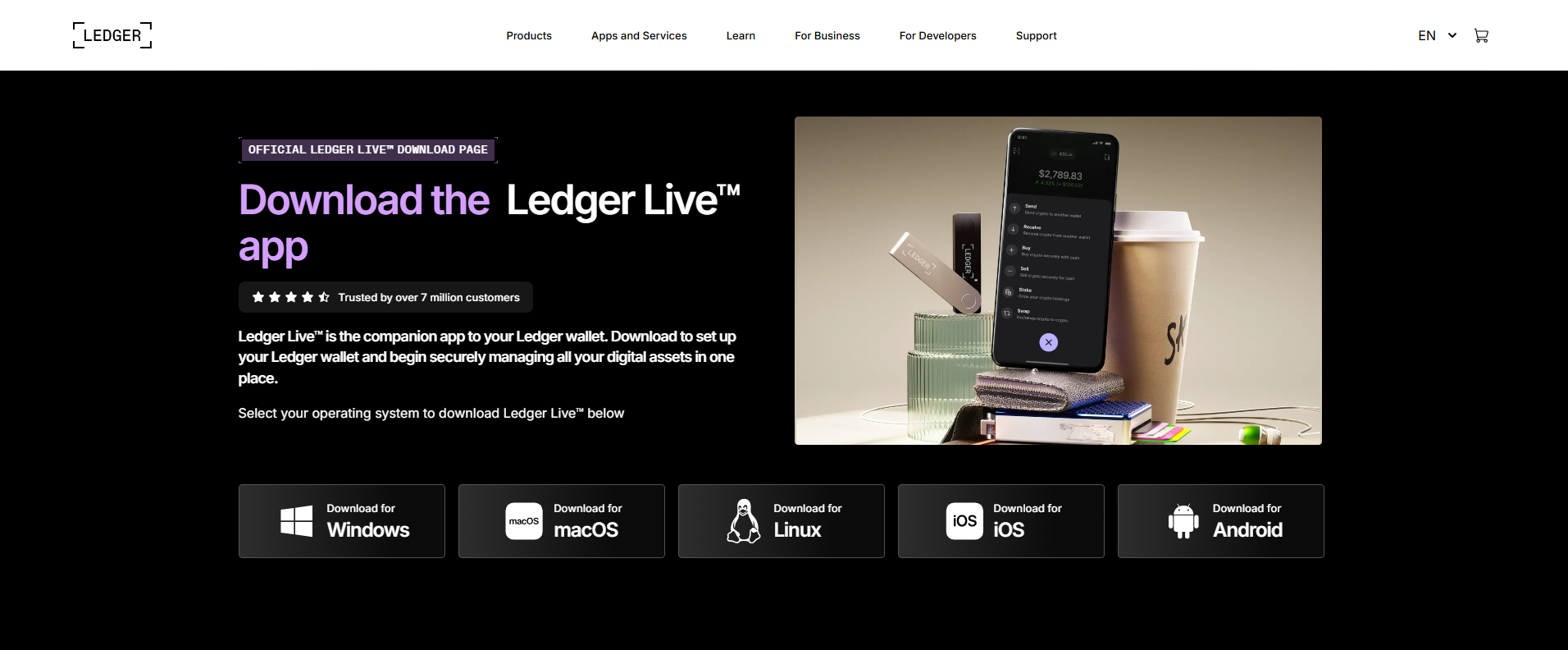
Ledger.com/start: A Safer Way to Begin Crypto Management
For many cryptocurrency users, moving to a hardware wallet is an opportunity to take a more deliberate approach to asset management. Ledger.com/start can introduce the basic steps involved in preparing a Ledger device and establishing a secure environment for supported crypto activities.
The setup becomes easier when security is considered at every stage.
Start With Website Verification
Before downloading software or following instructions, verify the website you are using.
Avoid entering wallet information into pages reached through unexpected emails or messages. When possible, navigate directly to trusted official resources.
This simple habit can reduce exposure to fake wallet websites.
Prepare Your Device
Connect the Ledger hardware wallet using the appropriate instructions for your model.
Follow the setup prompts carefully and pay attention to confirmations shown directly on the device. Never approve an unfamiliar request simply because you want to finish setup quickly.
Keep Your Backup Offline
Recovery information is a critical security component.
Store it somewhere private and secure, away from ordinary digital accounts. Do not photograph it or upload it to cloud services.
Also remember that anyone who gains access to sensitive recovery information may potentially gain control over the associated wallet.
Install the Appropriate Software
Use compatible wallet software obtained through a trusted source.
Depending on your device and supported assets, the software can provide tools for viewing accounts, monitoring activity, and preparing cryptocurrency transactions.
Always check current compatibility for the asset or network you intend to use.
Create a Transaction Routine
A consistent transaction routine can help prevent careless mistakes.
Before confirming a transfer:
- Check the intended recipient.
- Review the amount.
- Compare the information with the hardware device.
- Approve only when the details are correct.
Do not rush through these checks.
Protect Against Fake Support
Fraudulent support messages often rely on urgency.
A message may claim that your wallet has a problem and that you must immediately provide information or complete a verification step. Instead of responding to the message, independently access trusted official resources.
Never reveal your recovery information to someone contacting you unexpectedly.
Review Your Security Practices
After setup, periodically review how you manage your wallet.
Make sure your recovery information remains private, your device is physically protected, and your wallet software comes from trusted sources.
Good security is an ongoing process rather than a single setup action.
FAQs
Is Ledger.com/start useful for new users?
It can be a starting point for understanding the initial Ledger wallet setup process.
Where should I keep my recovery information?
Keep it private and protected in a secure offline location.
What information should I verify during a transaction?
Pay particular attention to the destination address and amount before approving the transaction.
How can I recognize a suspicious wallet message?
Unexpected urgency, requests for recovery information, unfamiliar links, and demands for confidential details are warning signs.
Does wallet security end after setup?
No. Safe software practices, private recovery information, and transaction verification remain important during ongoing wallet use.
Conclusion
Starting with the right information can make crypto management more organized. Ledger.com/start can introduce the initial setup process, while careful device handling, secure recovery practices, trusted software, and deliberate transaction checks provide a foundation for responsible hardware-wallet use.
Updated about 8 hours ago