
Ledger.com/Start® | Getting started®™ — Ledger Support
Visit Ledger.com/start to configure your Ledger wallet, connect your device, review account balances, manage assets, and follow secure wallet practices.
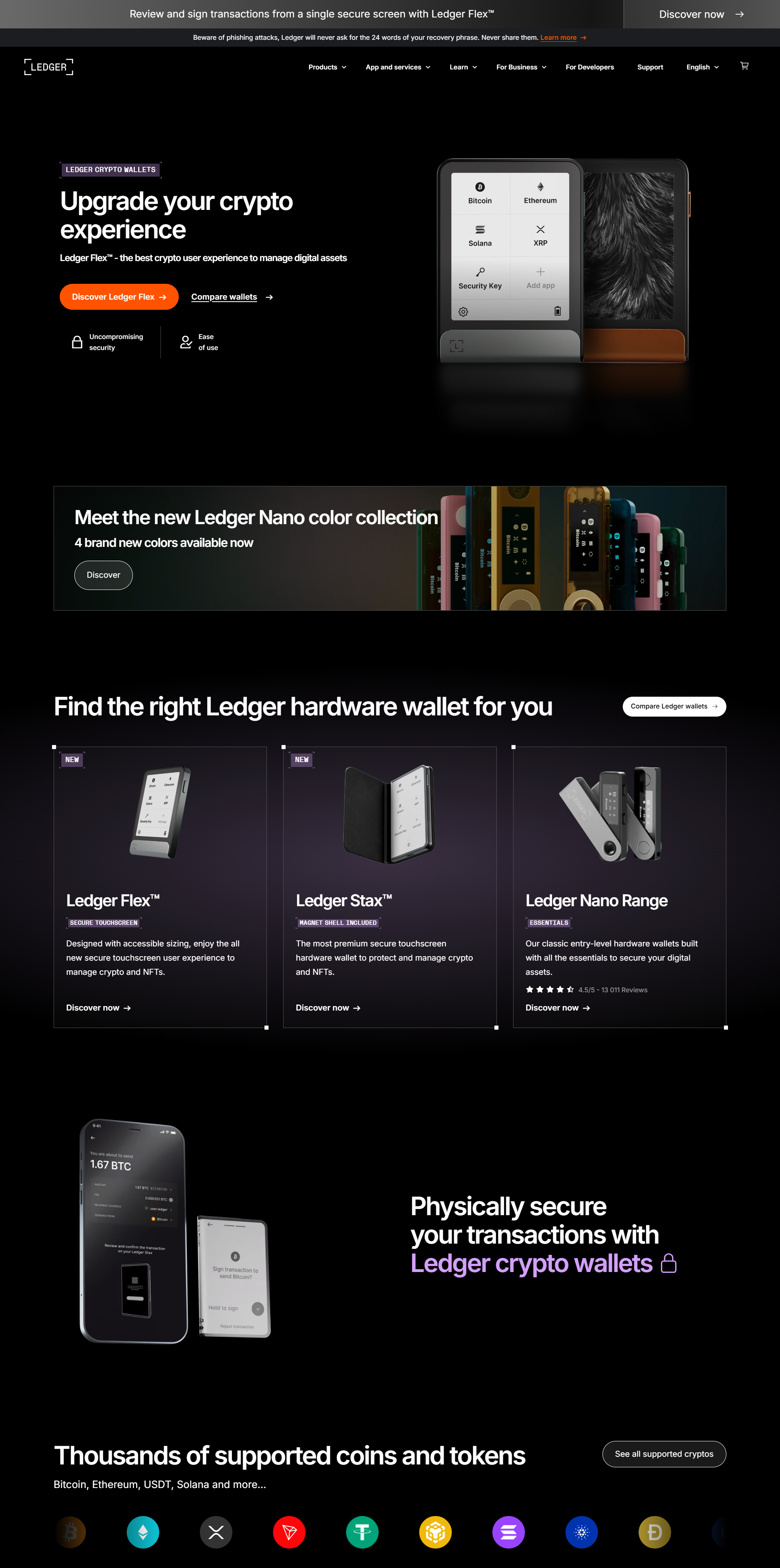
Ledger.com/start: Strengthen Your Everyday Wallet Routine
The first wallet setup is only the beginning of responsible crypto management. After connecting a hardware wallet, users still need to develop reliable habits for receiving funds, approving transfers, protecting private information, and avoiding fraudulent websites. Ledger.com/start can help frame the setup experience as the beginning of a broader security routine.
Think Beyond Initial Configuration
It is easy to think of wallet setup as a single task that ends once the device is connected. In practice, everyday usage introduces new decisions.
Each time you interact with your wallet, you may need to identify the correct account, choose an appropriate network, verify an address, or review a transaction.
Building a consistent process makes these decisions easier to manage.
Keep Your Access Under Control
Use wallet-related software and services only through trusted sources. Be cautious when using shared computers or devices that you do not control.
Your hardware wallet should also be stored somewhere that prevents unauthorized physical access.
Security is strongest when both digital and physical access are considered.
Protect Recovery Information From Exposure
Recovery information should never become part of an online conversation. Avoid entering it into forms, sharing it through messaging services, or storing it in locations that are easily accessible to others.
If someone contacts you unexpectedly and claims that your recovery information is needed for account verification or technical assistance, do not comply automatically.
Instead, verify the claim through a trusted source.
Check Accounts Before Receiving Crypto
Before accepting a transfer, identify the account that should receive the funds. Confirm the address and network before giving the sender the information.
This is particularly important when managing multiple accounts or assets.
Keeping your wallet organized can make these checks easier.
Slow Down Before Sending
Outgoing transactions deserve a deliberate pause. Confirm the destination and amount, then check the asset and network.
Look carefully at the final transaction information before approving it on your hardware wallet when confirmation is requested.
If anything seems unfamiliar, cancel or pause the process until you understand the discrepancy.
Be Careful With Links
Not every wallet-related link is trustworthy. A page can use familiar colors, logos, and language while still being controlled by an unrelated party.
Avoid entering confidential information after following an unexpected link. Instead, access trusted resources independently.
This approach reduces dependence on links supplied by strangers.
Watch for Pressure Tactics
A legitimate-looking message can still be suspicious if it demands immediate action.
Statements such as account warnings, urgent security alerts, or claims that funds will disappear can encourage impulsive decisions.
When confronted with pressure, stop and verify the information independently before proceeding.
Review Your Routine Regularly
Everyday wallet management benefits from periodic checks. Make sure you understand the software you are using, know which accounts you manage, and remain familiar with basic transaction verification.
If your normal workflow changes unexpectedly, investigate the change rather than assuming it is harmless.
Keep the Process Simple
A secure routine does not need to be complicated. The essentials are straightforward: use trusted sources, protect recovery information, verify addresses and networks, inspect transactions, and remain skeptical of unexpected support requests.
These practices can help create a more consistent experience for users managing crypto through a hardware wallet.
FAQs
What should I do immediately after wallet setup?
Explore the wallet interface, understand your accounts, and learn the receiving and sending workflows before making important transfers.
How often should I verify transaction information?
Review it every time you approve a transaction rather than relying on previous transfers as a reference.
Are unexpected security alerts always legitimate?
No. Unexpected alerts can be used as part of phishing or impersonation attempts. Verify them independently.
Can I share wallet information with a support account?
Avoid sharing confidential recovery information or other sensitive credentials with unsolicited contacts.
Why is a consistent wallet routine useful?
Repeating the same verification steps can make it easier to notice unusual details before approving an action.
Updated about 3 hours ago